Discover the Best Types of Sod for Your Landscape
- Glen Ebright
- Nov 21, 2025
- 4 min read
Creating a beautiful landscape starts from the ground up, and one of the most crucial elements is the type of sod you choose. With so many options available, selecting the right sod can feel overwhelming. This guide will help you navigate through the various types of sod, their benefits, and how to choose the best one for your landscape needs.

Understanding Sod
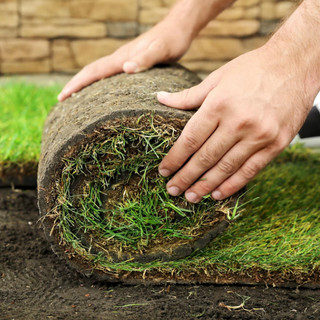
Sod is a layer of grass and soil held together by roots or a thin layer of earth. It is typically used to establish a lawn quickly, providing an instant green space. Sod can be grown from various grass types, each suited to different climates, soil types, and uses.
Benefits of Using Sod
Instant Gratification: Unlike seeding, sod provides an immediate green lawn.
Erosion Control: It helps prevent soil erosion by stabilizing the ground.
Weed Suppression: A thick layer of sod can outcompete weeds for nutrients and sunlight.
Soil Improvement: The roots of sod can improve soil structure and health over time.
Types of Sod
Choosing the right type of sod is essential for the success of your landscape. Here are some of the most popular types of sod, along with their characteristics and ideal uses.
Kentucky Bluegrass
Characteristics: Kentucky Bluegrass is known for its lush, dense appearance and rich color. It thrives in cooler climates and is often used in northern regions.
Ideal Uses:
Residential lawns
Parks and recreational areas
Sports fields
Maintenance: Requires regular watering and fertilization. It is susceptible to diseases and pests, so monitoring is essential.
Bermuda Grass
Characteristics: Bermuda Grass is a warm-season grass that grows well in sunny areas. It has a fine texture and establishes quickly, making it a popular choice for southern climates.
Ideal Uses:
Golf courses
Athletic fields
High-traffic areas
Maintenance: Requires full sun and regular mowing. It is drought-tolerant but benefits from occasional watering during dry spells.
Fescue Grass
Characteristics: Fescue Grass is a versatile cool-season grass that adapts well to various climates. It has a fine to medium texture and is known for its shade tolerance.
Ideal Uses:
Shady lawns
Transitional zones
Low-maintenance landscapes
Maintenance: Requires moderate watering and can thrive with less fertilization compared to other grasses.
Zoysia Grass
Characteristics: Zoysia Grass is a warm-season grass that is dense and carpet-like. It is drought-resistant and can tolerate heat, making it suitable for southern regions.
Ideal Uses:
Residential lawns
Golf courses
Areas with foot traffic
Maintenance: Requires less mowing and watering once established. It grows slowly in cooler temperatures, so patience is needed during establishment.
Tall Fescue
Characteristics: Tall Fescue is a deep-rooted grass that is drought-resistant and adaptable to various soil types. It has a coarse texture and is suitable for transitional climates.
Ideal Uses:
Residential lawns
Commercial landscapes
Areas with variable sunlight
Maintenance: Requires moderate watering and is relatively low-maintenance compared to other grass types.
Factors to Consider When Choosing Sod
When selecting sod for your landscape, consider the following factors:
Climate
Understanding your local climate is crucial. Cool-season grasses thrive in northern regions, while warm-season grasses are better suited for southern areas.
Sunlight
Evaluate the amount of sunlight your lawn receives. Some grasses, like Bermuda, require full sun, while others, like Fescue, can tolerate shade.
Soil Type
Conduct a soil test to determine your soil's pH and nutrient levels. Different grasses have varying soil requirements, so knowing your soil type will help you make an informed decision.
Purpose
Consider how you plan to use your lawn. High-traffic areas may require durable grasses like Bermuda, while ornamental lawns may benefit from the aesthetic appeal of Kentucky Bluegrass.
Installation Tips
Once you've chosen the right type of sod, proper installation is key to ensuring its success.
Preparation
Clear the Area: Remove any existing grass, weeds, or debris.
Test the Soil: Conduct a soil test and amend as necessary.
Level the Ground: Rake the area to create a smooth surface.
Laying the Sod
Start Along a Straight Edge: Begin laying sod along a sidewalk or driveway.
Stagger the Joints: Lay the pieces in a brick-like pattern to avoid long seams.
Press Down: Use a roller or your feet to ensure good contact with the soil.
Watering
Immediately after installation, water the sod thoroughly. For the first two weeks, keep the sod consistently moist to encourage root establishment.
Maintenance After Installation
Once your sod is installed, ongoing maintenance is essential for a healthy lawn.
Watering
Water deeply and infrequently to encourage deep root growth. Adjust your watering schedule based on rainfall and temperature.
Mowing
Begin mowing once the grass reaches about 3 inches in height. Keep your mower blades sharp to avoid damaging the grass.
Fertilization
Apply a balanced fertilizer about 4-6 weeks after installation to promote healthy growth.
Common Issues and Solutions
Even with proper care, you may encounter some issues with your sod. Here are a few common problems and how to address them:
Brown Patches
Cause: Often caused by drought or disease.
Solution: Water deeply and regularly. If disease is suspected, consult a local extension service for treatment options.
Weeds
Cause: Weeds can compete with your sod for nutrients and water.
Solution: Hand-pull weeds or use a selective herbicide that targets weeds without harming your grass.
Thin Areas
Cause: Can occur due to poor soil or insufficient watering.
Solution: Overseed thin areas with the same type of grass and ensure proper watering.
Conclusion
Choosing the right type of sod for your landscape is a vital step in creating a beautiful and functional outdoor space. By understanding the various types of sod available and considering factors such as climate, sunlight, and soil type, you can make an informed decision that will lead to a thriving lawn. Remember to follow proper installation and maintenance practices to ensure your sod flourishes for years to come.
Take the first step towards your dream landscape by selecting the perfect sod today!


Comments