Enhance Your Lawn with Local Broward Sod Solutions
- Glen Ebright
- Nov 21, 2025
- 5 min read
A lush, green lawn can transform your outdoor space into a beautiful oasis. Whether you are looking to improve your home's curb appeal or create a perfect play area for your kids, investing in quality sod is essential. In Broward County, there are numerous local sod solutions that can help you achieve the lawn of your dreams. This blog post will guide you through the benefits of sod, the types available, and how to choose the right local provider for your needs.

Why Choose Sod?
Sod offers several advantages over traditional seeding methods. Here are some compelling reasons to consider sod for your lawn:
Instant Gratification: Unlike seeds, which take time to germinate and grow, sod provides an immediate green lawn. This is perfect for homeowners who want to enjoy their outdoor space right away.
Weed Control: Established sod can help suppress weeds, reducing the need for herbicides and making lawn maintenance easier.
Soil Erosion Prevention: Sod helps stabilize the soil, preventing erosion and runoff, especially in areas prone to heavy rain.
Improved Aesthetics: A well-maintained sod lawn enhances the overall appearance of your property, increasing its value.
Types of Sod Available in Broward County
When selecting sod, it’s essential to choose the right type for your climate and intended use. Here are some popular sod varieties available in Broward County:
1. St. Augustine Grass
St. Augustine grass is a popular choice in Florida due to its lush appearance and tolerance to heat and humidity. It thrives in sunny areas but can also tolerate some shade. This variety is ideal for residential lawns, parks, and commercial properties.
2. Bermuda Grass
Bermuda grass is known for its durability and resilience, making it perfect for high-traffic areas like sports fields and playgrounds. It grows well in full sun and has a fine texture, providing a dense lawn that can withstand wear and tear.
3. Zoysia Grass
Zoysia grass is a slower-growing option that offers a thick, carpet-like lawn. It is drought-resistant and can tolerate heat, making it suitable for Broward's climate. Zoysia is ideal for homeowners looking for a low-maintenance lawn.
4. Bahia Grass
Bahia grass is a hardy, drought-tolerant option that is often used for pastures and large lawns. It requires less water and maintenance compared to other varieties, making it a practical choice for those who want a more natural look.
Choosing the Right Local Broward Sod Provider
Selecting a local sod provider is crucial for ensuring you receive high-quality grass and excellent service. Here are some tips to help you make the right choice:
1. Research Local Suppliers
Start by researching local sod suppliers in Broward County. Look for companies with positive reviews and a solid reputation. Websites like Yelp and Google Reviews can provide insights into customer experiences.
2. Ask About Grass Varieties
Inquire about the types of sod they offer. A reputable supplier should have a variety of options to suit different needs and preferences. They should also be knowledgeable about which grass types are best for your specific lawn conditions.
3. Check for Freshness
Ensure that the sod you purchase is fresh and healthy. Ask the supplier when the sod was harvested and how it has been stored. Fresh sod will have a vibrant green color and a healthy root system.
4. Request Installation Services
Some sod suppliers offer installation services, which can save you time and effort. If you are not experienced in laying sod, consider hiring professionals to ensure proper installation and optimal results.
5. Compare Prices
While cost should not be the only factor in your decision, it is essential to compare prices among different suppliers. Look for a balance between quality and affordability.
Preparing Your Lawn for Sod Installation
Before laying sod, proper preparation is key to ensuring its success. Here are the steps to prepare your lawn:
1. Clear the Area
Remove any existing grass, weeds, or debris from the area where you plan to install the sod. This can be done using a shovel, hoe, or a sod cutter.
2. Test the Soil
Conduct a soil test to determine its pH and nutrient levels. This will help you understand if any amendments are needed to create the best environment for your new sod.
3. Level the Ground
Ensure the ground is level and free of any large rocks or clumps of soil. This will help prevent water pooling and promote even growth.
4. Add Soil Amendments
If your soil test indicates deficiencies, consider adding organic matter or fertilizers to improve soil quality. This will provide your new sod with the nutrients it needs to thrive.
5. Water the Soil
Before laying the sod, water the soil thoroughly. This will help the sod establish its roots more quickly.
Installing Your Sod
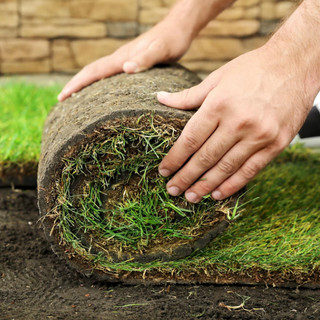
Once your lawn is prepared, it’s time to install the sod. Follow these steps for a successful installation:
1. Lay the First Row
Start by laying the first row of sod along a straight edge, such as a sidewalk or driveway. This will serve as your guide for the rest of the installation.
2. Stagger the Joints
When laying subsequent rows, stagger the joints to create a more natural look and prevent gaps. This is similar to laying bricks in a wall.
3. Trim as Needed
Use a sharp knife to trim any edges or corners to fit the sod into your desired shape. Ensure that the edges are snug against each other to prevent gaps.
4. Roll the Sod
After laying the sod, use a roller to press it down into the soil. This helps eliminate air pockets and ensures good contact between the sod and the soil.
5. Water Immediately
Water the newly laid sod immediately after installation. This will help it settle and establish roots in the soil.
Caring for Your New Sod
Proper care is essential for maintaining a healthy lawn. Here are some tips for caring for your new sod:
1. Watering
In the first few weeks after installation, water your sod daily to keep it moist. Gradually reduce the frequency as the grass establishes itself. Aim for about 1 to 1.5 inches of water per week.
2. Mowing
Wait until your sod has grown to about 3 inches in height before mowing. This will help the grass develop a strong root system. Mow regularly to maintain a height of 2 to 3 inches.
3. Fertilizing
Apply a starter fertilizer about four to six weeks after installation. This will provide the necessary nutrients for healthy growth.
4. Aeration
Consider aerating your lawn once a year to improve soil compaction and promote healthy root growth.
5. Weed Control
Monitor your lawn for weeds and remove them promptly. Use organic or chemical weed control methods as needed, but be cautious not to harm your new sod.
Conclusion
Enhancing your lawn with local Broward sod solutions can significantly improve your outdoor space. By choosing the right type of sod, selecting a reputable provider, and following proper installation and care techniques, you can create a beautiful, lush lawn that you and your family can enjoy for years to come. Take the first step today by researching local sod suppliers and preparing your lawn for a transformation that will elevate your home’s curb appeal and provide a perfect space for outdoor activities.


Comments